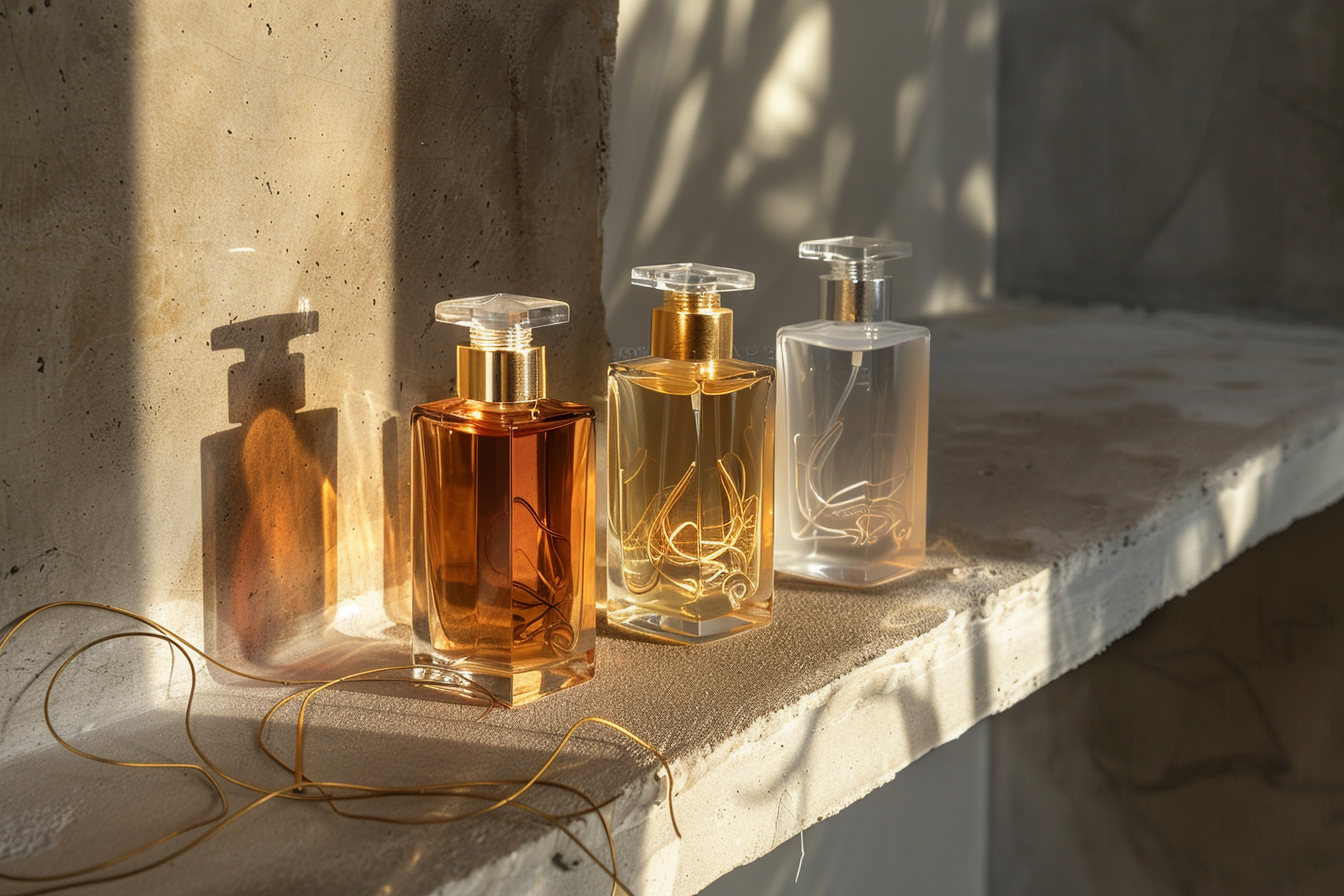
Searches for “niche perfume collection” are up 500%. “Perfume layering combinations,” up 125%. Pinterest calls the behaviour Scent Stacking, and of every number in its 2026 trend report, the 500% is the one worth stopping on.
What it describes is a shift in what a fragrance is for. Not a signature — a vocabulary.
Key takeaways
- Pinterest named Scent Stacking a 2026 trend — “niche perfume collection” +500%, “perfume layering combinations” +125%
- Layering works on a simple principle: heavy underneath, light on top
- Three well-chosen bottles outperform one expensive signature
- The cheapest way in isn’t perfume at all — it’s a scented body product under what you already own
What is scent stacking?
Wearing more than one fragrance at a time, deliberately, so the combination produces something neither bottle does alone. Not a new idea — Middle Eastern perfumery has layered oils, powders and incense for centuries, and several fragrance houses have sold designed-to-combine ranges for decades.
What’s new is the scale of ordinary interest in doing it. A 500% rise in searches for niche collections is a meaningful signal: it suggests people are no longer shopping for the one bottle they’ll wear forever.
How do you layer perfume without it turning to mud?
One rule does most of the work: heaviest first, lightest last. Dense base notes — woods, amber, vanilla, musk — go on the skin. Bright, volatile notes — citrus, green, aquatic — go over the top, where they’re meant to evaporate.
Reverse it and the light fragrance is smothered inside the first ten minutes, which is exactly how most first attempts fail.
Combinations that reliably work
- Vanilla or amber + citrus. The most forgiving starting point. Warmth underneath, brightness on top.
- Musk + floral. Musk gives a thin floral body and makes an inexpensive one smell considerably more expensive.
- Woods + green. Cedar or sandalwood under something sharp and herbal reads clean rather than sweet.
- Anything + an unscented-ish skin musk. The professional’s trick — it extends wear without altering character.
Combinations to approach carefully
- Two complex florals. Both are already compositions; together they argue.
- Two heavy gourmands. Legible for an hour, cloying by lunch.
- Anything with a dominant oud, alongside anything else. Oud does not share.
Shop a layering-friendly musk → — the most useful bottle in a stack, and rarely the most expensive.
Shop a scented body cream as a base → — OUAI’s St. Barts cream is the one we’d reach for: rich enough to hold a fragrance down for hours, and warm rather than sweet, so it sits under almost anything.

Shop a discovery set → — sample vials are how you learn combinations without committing to full bottles.
Do you need expensive perfume to do this?
No — and the trend’s framing rather implies you do. “Niche perfume collection” is doing a lot of work in that 500% figure, and niche fragrance is not cheap.
The honest entry point is a scented body product under a fragrance you already own. A vanilla or musk lotion beneath your existing bottle is layering — it changes the character, extends the wear, and costs a fraction of a second perfume. Most of the effect, almost none of the outlay.
The turn: what a collection actually costs
It’s worth naming what a 500% rise in searches for collections really describes. The signature scent — one bottle, worn for years, recognisable as yours — was an unusually economical idea. Replacing it with a wardrobe of interchangeable bottles is, whatever else it is, a considerably more expensive way to smell nice.
There is also something lost. A signature is a form of consistency; people remember you by it. A stack that changes daily is more expressive and less legible, and that trade is real.
THE GILT take: layer, by all means — it’s genuinely one of the more pleasurable small skills to acquire, and it costs nothing to try with what’s already on your shelf. But treat “collection” as the trend’s commercial pressure rather than its actual insight. Three bottles you understand properly will outperform twelve you’re still learning.
Which fragrance combinations actually work?
A reference table is more useful here than prose. Base goes on skin first; top goes over it. The third column is what you should expect to smell an hour in, once both have settled.
| Base (first) | Top (second) | Result |
|---|---|---|
| Vanilla | Bergamot or neroli | Warm and bright — the most forgiving stack, and the best place to start |
| White musk | Any single floral | Gives a thin floral body and depth; makes inexpensive florals smell costlier |
| Sandalwood or cedar | Green or herbal | Clean and dry rather than sweet; reads unisex and expensive |
| Amber | Citrus | Golden and slightly sunlit; the classic autumn stack |
| Skin musk | Anything you already own | Extends wear without changing character — the professional’s trick |
| Tonka or benzoin | Light rose | Powdery and old-fashioned in a deliberate way |
Note what the working combinations share: one simple element and one composed one. Two complex fragrances layered together nearly always cancel each other into something muddy and anonymous.
How much should you actually apply?
Less of each than you would wear alone — this is the second most common beginner error after wrong-order application.
- Base: two sprays, on pulse points where the skin is warm — wrists, the base of the throat.
- Top: one to two sprays, slightly higher and further out. Collarbone, or into the air to walk through.
- Wait between them. Thirty seconds is enough for the base to settle so the second isn’t simply diluting it.
- Never rub. Rubbing wrists together crushes the top notes of both and accelerates the whole structure.
If you can smell the combination clearly on yourself after twenty minutes, you have very likely applied too much. Fragrance you’ve stopped noticing is usually still perfectly legible to everyone else.
Does stacking change by season?
It should, and this is where a small collection earns its keep — the same two bottles behave differently in different weather.
Heat amplifies. In summer, a base that reads as comforting indoors in January can turn heavy and sweet by mid-morning; lighten the base and let the top note carry more of the work. Cold suppresses, so winter tolerates — and rewards — considerably more weight underneath.
| Season | Adjust | Why |
|---|---|---|
| Warm months | Lighter base, or skip it and layer a scented lotion instead | Heat projects fragrance further and faster; less is genuinely more |
| Cold months | Heavier base, more sprays, resinous and woody notes | Cold air suppresses projection, so density reads as warmth rather than excess |
| Transitional | Keep the base, swap the top note | The cheapest way to make a wardrobe feel seasonal without new bottles |
This is the practical argument for a small collection over a single signature: not novelty, but fitness for conditions. Three bottles understood properly will cover a year comfortably.
Frequently asked questions
What is scent stacking?
Deliberately wearing more than one fragrance at once so the combination creates something neither produces alone. Pinterest named it a 2026 trend, reporting “niche perfume collection” searches up 500% and “perfume layering combinations” up 125%.
What order should I apply fragrances in?
Heaviest first, lightest last. Dense base notes — woods, amber, vanilla, musk — go directly on skin; bright citrus or green notes go on top.
How many sprays of each?
Fewer than you would of a single fragrance. Two of the base and one or two of the top is a sensible starting ratio — you can always add more.
Can I layer cheap perfume?
Yes. Layering is a technique, not a price bracket. A scented body lotion beneath a fragrance you already own is the least expensive and most reliable way to start.
Sources & further reading:
Disclosure: This post contains affiliate links. If you buy through them, THE GILT may earn a commission at no extra cost to you. We only recommend products that meet our evidence and usefulness standards.
Leave a Reply