The Inner World · Every claim sourced
Quiet luxury was never about volume. It was effort disguised as effortlessness. The aesthetic is fading; the exhaustion it was performing simply found new vocabulary.
By Mariah Mazzo, The Editor
This article reflects editorial research and personal perspective.
Key takeaways
- Quiet luxury was never about volume — it was effort disguised as effortlessness
- By 2026 fashion coverage had called the aesthetic fatigued, but the exhaustion underneath it didn’t fade with the trend
- “Soft life” is the new vocabulary: arrival signalled through visible permission to stop
- Both are performances of having arrived — one swapped the linen for a hammock
- The fair critique: ease as a stated value is easier to practise from a position of existing security
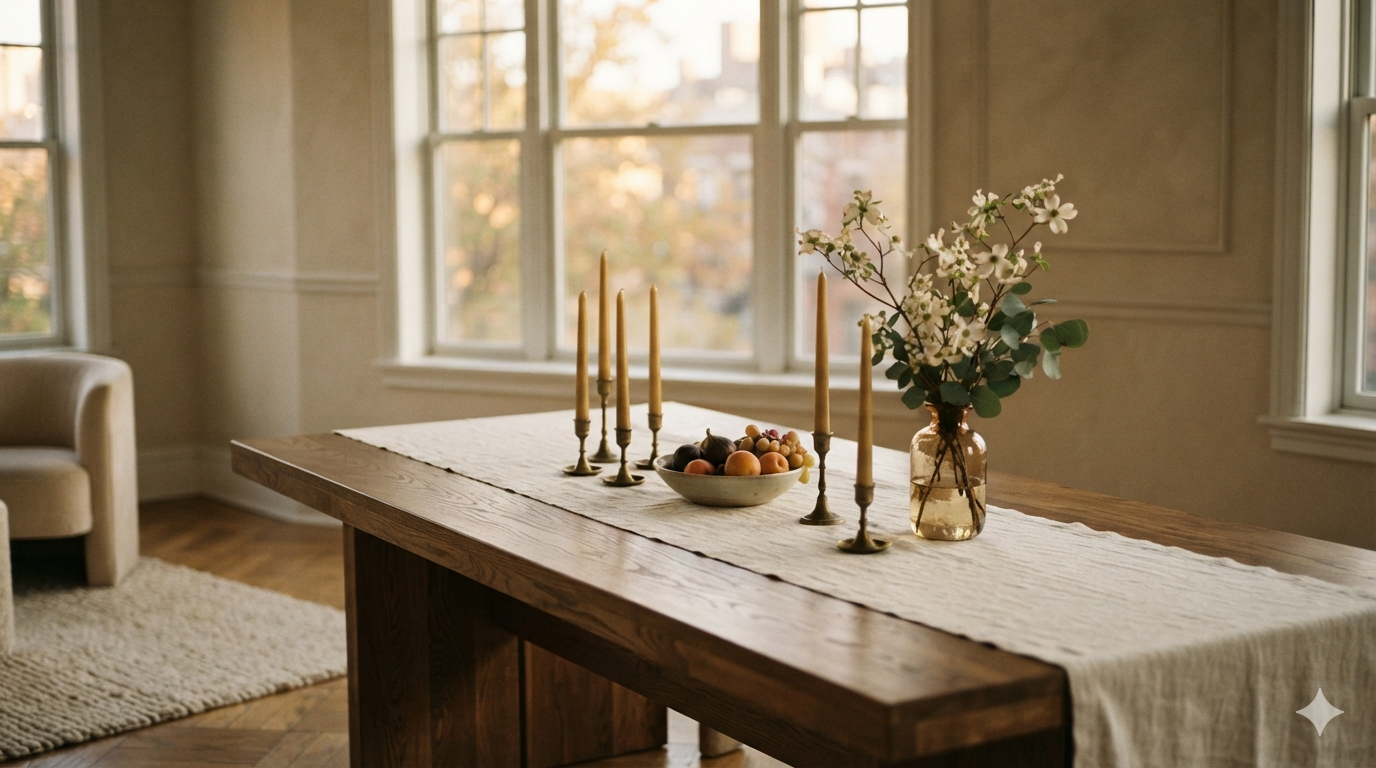
The apartment is beautiful. Linen, not cotton. A single, correct vase. Nothing in it announces itself, which is, of course, the entire announcement. Its owner spent an hour arranging three objects on a shelf so the room would look like she never had to think about it at all.
That hour is the part nobody photographs.
Quiet luxury was never really about volume — whispering instead of shouting. It was about effort disguised as effortlessness, a performance so well executed it reads as the absence of performance. And by 2026, fashion coverage had started calling the aesthetic itself fatigued, oversaturated, a trend cycling toward its end the way every legible aesthetic eventually does once enough people can name it.
But naming the aesthetic’s decline missed the more interesting story underneath it. The exhaustion the aesthetic was quietly performing didn’t fade with the trend. It is still there. It just needed a new vocabulary.
That vocabulary is showing up as “soft life,” a cultural conversation about rejecting burnout as a status symbol and treating rest, boundaries and ease as achievements worth claiming rather than embarrassments to hide. Where quiet luxury signalled arrival through restraint, soft life signals arrival through visible permission to stop.
The two aesthetics look almost nothing alike. The psychology underneath them is closer than it first appears. Both are still, in their own way, performances of having arrived somewhere. One just swapped the linen for a hammock.
Research on motivation applies here as well: behaviours built primarily to be seen — whether the visible marker is a curated home or a curated slowdown — tend to be less durable than behaviours built for their own sake. The mechanism doesn’t care whether the audience is watching a beautifully composed shelf or a beautifully composed rest day. Either way, the moment the behaviour exists mainly to be witnessed, it becomes fragile in the same predictable way.
The exhausting part was never the linen or the hammock specifically. It is the constant low-grade labour of managing how effortless something appears — which is, itself, a great deal of effort.
There is a fair critique of soft life culture worth naming: it is often available only to women who already have the financial cushion to opt out of hustle in the first place. That makes it less a universal antidote to burnout and more a lifestyle accessible to a narrower group than the content around it tends to suggest. Ease as a stated value is easier to practise from a position of existing security.
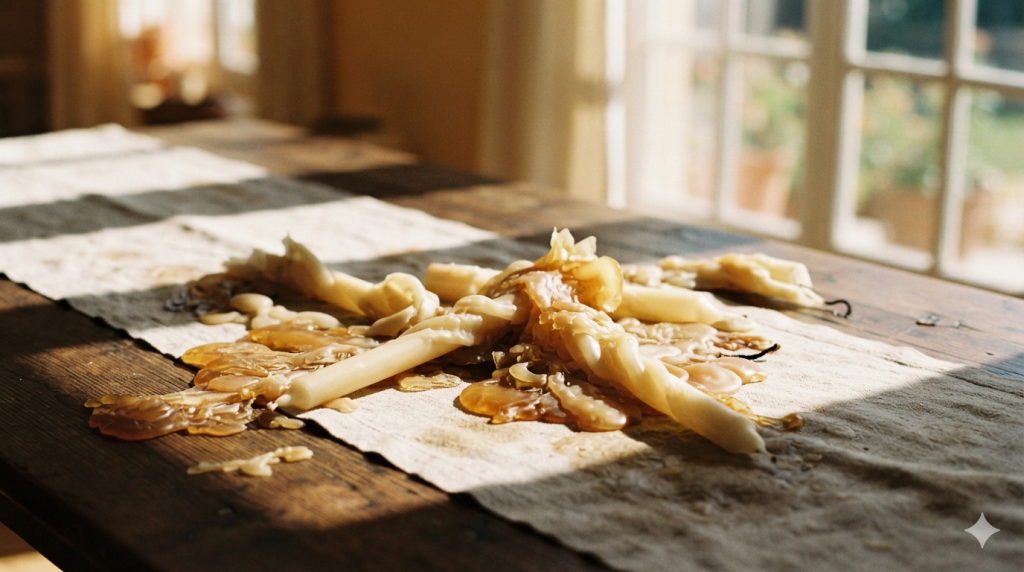
The table had to be perfect, every day, whether or not anyone was coming. Flowers, candles, a bowl of fruit arranged like a still life — the kind of table that photographs as effortlessness even though it never once was. Then came a run of hot days, the kind northern Europe isn’t built for, and the big windows that make the apartment’s light so good in every other season turned into a greenhouse pointed directly at that table. The candles went first, melting sideways into puddles of wax across the runner. By the time guests arrived, the table that was supposed to say I have this handled said the opposite instead: wax fused into the wood, a mark on the surface that no amount of polishing has fully lifted since.
Standing there before anyone walked in, scraping wax off a table I had fussed over that same morning, I finally asked the question I had never let myself ask. Who actually needs candles and fresh flowers on a table in the middle of a European heatwave. Nobody. The heat didn’t ruin the table. It just made visible what the table had been quietly costing me the whole time.
Quiet luxury sold restraint as arrival. Soft life sells permission as arrival. Different vocabulary, same underlying performance — and the melted wax on a table set for no reason except to be seen is what that performance looks like once the weather stops cooperating with the story. Nobody needed the candles. Nobody needed the table styled every single day whether or not a guest was coming. What was actually needed, the whole time, was rest that didn’t have to look like anything.
Every era gets the aesthetic its exhaustion deserves. The style changes. The underlying question — who is this actually for — stays exactly the same.
Frequently asked questions
Is quiet luxury over as a trend?
Fashion coverage through 2026 has described quiet luxury as increasingly oversaturated, following the typical arc of an aesthetic once it becomes widely legible and imitated.
What is the “soft life” movement?
Soft life refers to a cultural shift toward treating rest, ease and boundaries as achievements worth claiming rather than something to downplay, positioned in contrast to burnout-as-status-symbol culture.
Is soft life just another performance?
It can be, in the same way any visible marker of a lifestyle can become more about being seen than about the underlying experience. The distinguishing question is whether the behaviour would hold up with no audience at all.
Why do quiet luxury and soft life feel connected even though they look different?
Both function as signals of having arrived somewhere, whether through restraint or through visible permission to slow down. The aesthetics differ; the underlying performance of arrival is structurally similar.
Keep reading in The Inner World: how to stop performing wellness · the unspoken money rules.
The Gilt Letter arrives twice a week: the edit we actually use, the research behind it, and the things we quietly returned. Subscribe free.
Leave a Reply